Can a child's word convict someone? The court's cautious answer
No law bars a child from testifying, but judges must check for tutoring and demand corroboration before relying on it for a conviction.
"A child witness can be a competent witness provided statement of such witness is reliable, truthful and is corroborated"
The three-condition rule for child testimonyAlagupandi v. State of Tamil Nadu
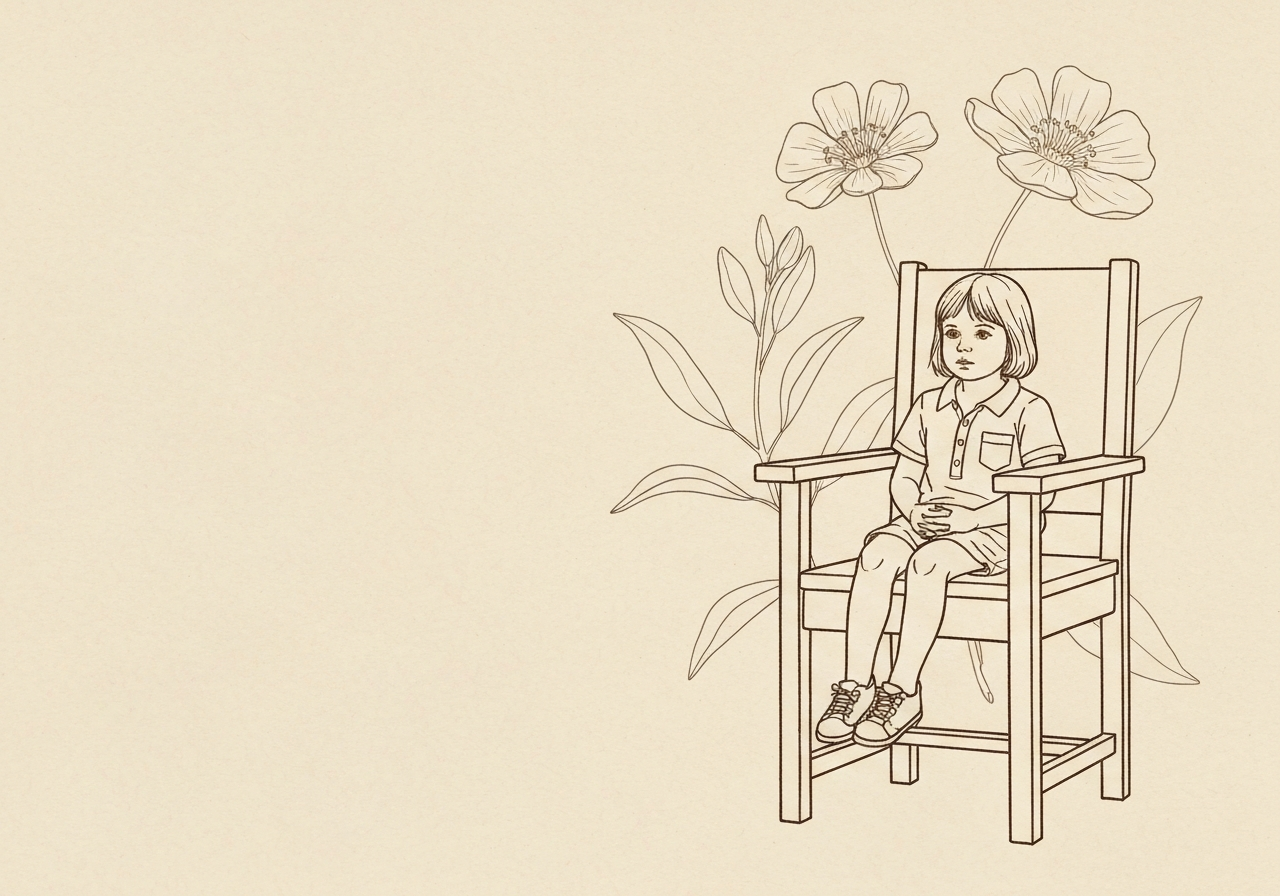
No law bars a child from testifying, but judges must check for tutoring and demand corroboration before relying on it for a conviction.
A child took the stand. The court said: 'We can believe you—but only if someone else backs it up.'
The question is deceptively simple: can a child's word, standing alone, send a person to prison?
In Alagupandi v. State of Tamil Nadu, the court confronted this exact problem. A young witness had testified. The prosecution built its case around that testimony. And the court had to decide whether one child's statement, however sincere, was enough.
The answer is a careful 'yes, but'—and that 'but' carries the weight of every precaution the law demands when a child takes the witness box.
When the child witness stepped forward
The courtroom fell silent as the child was led to the witness box. The judge leaned forward, watching the small figure settle into the chair. A child had given evidence. The trial court had accepted it. The accused had been convicted. But when the matter reached the higher court, the judges did something that every trial judge should remember: they looked at the child's testimony not just for what it said, but for how it was given.
Was the child tutored? Was the child repeating a story told by an adult? Was the child's demeanour—the way they sat, spoke, and answered questions—consistent with a witness who understood the weight of telling the truth?
The court laid down a principle that now governs every case where a child witness appears: "It is a settled principle of law that a child witness can be a competent witness provided statement of such witness is reliable, truthful and is corroborated by other prosecution evidence. The court in such circumstances can safely rely upon the statement of a child witness and it can form the basis for conviction as well."
Three conditions. All three must be met. Reliability. Truthfulness. Corroboration—supporting evidence from another source.
The only precaution that matters
The judge's voice was measured as he read the key observation: "The only precaution the court should bear in mind while assessing the evidence of a child witness is that the witness must be a reliable one and his/her demeanour must be like any other competent witness and that there exists no likelihood of being tutored."
That word—tutored—is the heart of the problem. A child can be taught a story. A child can be coached to say specific things. A child, unlike most adults, may not even realise they are being coached. They believe the story they are telling. And that is precisely why the court demands corroboration.
No law says a child's testimony is automatically suspect. Section 118 of the Indian Evidence Act—the provision that determines who is competent to testify—does not disqualify children. But the court in Alagupandi made clear that competence and credibility are two different things. A child can testify. But a conviction based only on that testimony requires something extra: independent evidence that supports the child's account.
The paper of the judgment rustled as the judges turned the pages. The file felt thin—a single child's statement against the weight of a conviction. Yet the court held that such testimony, when properly verified, could stand. The concrete holding was clear: the court allowed evidence given by a child witness if reliable and verified by additional evidence.
The procedural posture of Alagupandi was an appeal against a conviction. The trial court had accepted the child's testimony and found the accused guilty. The higher court was now reviewing whether that reliance had been proper—whether the trial judge had done the necessary checks before convicting. The corroborating evidence, whatever its form, had been examined alongside the child's words. The court found that the combination was sufficient.
How the judge tests the child
The companion case, Ganpathi v. State of Tamil Nadu, gave trial judges a practical roadmap. Under Section 118 of the Evidence Act, a child of tender age—a very young child—must be "allowed to testify if it has intellectual capacity to understand questions and give rational answers thereto."
But how does a judge know if a child has that capacity? The court said the trial judge can conduct a voire dire test—a preliminary examination to check whether the child understands the difference between truth and lies, and can answer questions coherently. This is not a formality. It is the judge's chance to watch the child, ask simple questions, and decide: does this child know what it means to tell the truth? Can this child describe what happened in their own words, without parroting an adult?
The child's voice, when it came, was soft but steady. The judge watched the child's eyes—searching for signs of a rehearsed story, for the hesitation that comes when a child is speaking their own memory rather than an adult's script. If the answer was yes, the child could testify. If the answer was no, the child could not.
The court noted that a child witness is competent to testify under Section 118 of the Evidence Act. The trial judge has the discretion to employ an examination—a voire dire test—to specifically test the child's capacity, intelligence, and understanding of the obligation of an oath.
The judge's notes from the voire dire were sparse but telling. A few lines recorded the questions asked: What is your name? How old are you? Do you know what happens when you tell a lie? The child's answers, written in the judge's own hand, formed the foundation of the decision to allow the testimony. That single page of notes—the record of the preliminary examination—was the difference between a testimony that could be accepted and one that could not. The judge had leaned forward, pen in hand, writing each answer as the child spoke. The ink on the page was the first layer of the court's protective scrutiny.
What the court actually decided
The court in Alagupandi did not throw out the child's testimony. It accepted it—but only after finding that the testimony was reliable, truthful, and corroborated by other evidence. The court said: "The court in such circumstances can safely rely upon the statement of a child witness and it can form the basis for conviction as well."
That sentence is carefully built. It says can, not must. It says safely rely, not automatically rely. And it says can form the basis for conviction, not alone forms the basis.
The distinction matters. A child's testimony can be enough—but only after the judge has done the work of checking for tutoring, assessing demeanour, and finding corroboration. Without those checks, the testimony is fragile. With them, it is as strong as any adult's.
The court was mindful that while no law rejects the evidence of a child witness if found reliable, special caution is necessary. The verdict was clear: evidence given by a child witness is allowed if reliable and verified by additional evidence.
The judges had turned the pages of the judgment slowly, reading each condition aloud. The courtroom had been still—the only sound the rustle of paper and the measured cadence of the bench's voice. The child's testimony, they said, had passed through the sieve of scrutiny. It had emerged intact.
Why this case matters for every trial
When a child witness is produced, the trial judge must do two things. First, conduct a preliminary examination—the voire dire—to confirm the child understands the obligation to tell the truth and can give rational answers. Second, after the child testifies, examine the testimony for signs of tutoring and demand corroboration before relying on it for a conviction.
The court in Ganpathi made clear that if the testimony passes these tests, there is "no obstacle in the way of accepting the same and recording conviction of the accused on the basis of his testimony." But the obstacle is removed only after the tests are applied.
The silence in the courtroom after the judgment was read was heavy with meaning. The judges had reaffirmed that competence is distinct from credibility, establishing the standard that reliability and lack of tutoring are paramount concerns for the judge. The smell of old paper and ink hung in the air as the order was signed. The file, now closed, contained the child's words, the judge's notes from the voire dire, and the corroborating evidence—all bound together into a record that could support a conviction.
The impact of these two judgments ripples through every trial where a child is called as a witness. The trial judge's role is no longer passive—it is active, inquisitive, and protective. The judge must probe the child's understanding, watch for the mechanical repetition of a coached story, and insist on independent evidence before convicting. The child's word is not dismissed, but it is not taken on faith either.
The judge's hand, resting on the open file, had written the final order. The child's testimony had been accepted—but only because the court had done its work. The single page of voire dire notes, the corroborating evidence, the careful assessment of demeanour—all of it had been weighed. The child's word, standing alone, had not been enough. But the child's word, supported by the rest of the record, had been sufficient.
THE PLAY: Before relying on a child witness for conviction, the judge must conduct a voire dire test to confirm the child's capacity, check for tutoring, and demand corroboration from independent evidence.
The child took the stand. The court listened. But the court also looked—at the child's eyes, at the child's words, at the child's story. And it said: we can believe you. But only if someone else backs it up.