Gunshot victim had no wound — only a boil. SC quashes caste charge.
Prosecution said accused fired at a rival, then hurled caste slurs at an SC member. But the 'bullet wound' was a skin abscess — and the caste law requires a 10-year+ crime against an SC person.
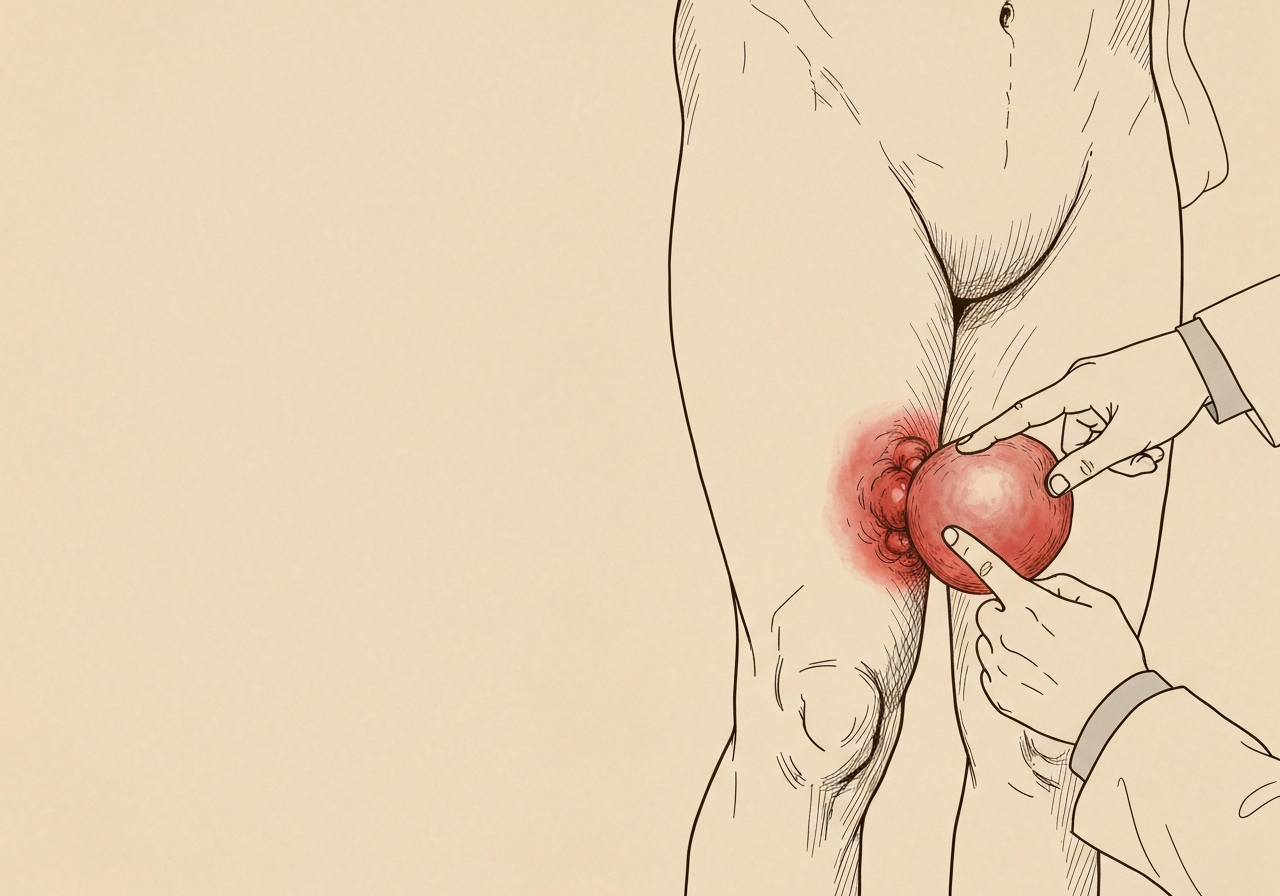
Quashed.
A boil, not a bullet.
SC/ST charge quashed.
Prosecution said accused fired at a rival, then hurled caste slurs at an SC member. But the 'bullet wound' was a skin abscess — and the caste law requires a 10-year+ crime against an SC person.
The gunshot victim had a boil on his thigh, not a bullet wound. The accused hurled caste abuses at someone else. The Supreme Court said — that is not enough for a caste atrocity charge.
On a December morning in 2023, a Supreme Court bench read out an order that unravelled a prosecution built on a single mistake. The police had charged a group of men with attempt to murder and caste atrocity after a political canvassing incident in Hathras, Uttar Pradesh. The man who was allegedly shot had no bullet wound — only a skin abscess. The man who was allegedly abused belonged to a Scheduled Caste, but the abuse alone did not meet the legal threshold for an atrocity charge. The question: could a charge under the SC/ST Act survive when the only serious crime was aimed at someone else?
When the boil looked like a bullet wound
The story begins with a political rivalry. During canvassing, a group of accused allegedly attacked members of a rival political party. According to the prosecution, one of them fired a gunshot at a man named Rinku Thakur, hitting him in the left thigh. Then, the accused hurled caste-based abuses at another person, Virender Kumar, who belonged to the Scheduled Caste community.
But when Rinku Thakur was medically examined, the doctor found no gunshot injury. What the prosecution had called a bullet wound was a boil — a skin abscess. No bullet. No entry wound. No exit wound. Just an infection that looked like evidence of a crime.
The police had already registered an FIR (a written complaint that starts a police investigation) after court intervention. A charge sheet was filed under Section 173 of the CrPC (the police report that concludes an investigation). The accused were charged under multiple provisions: Section 307 IPC (attempt to murder), Sections 147 and 148 (rioting, and rioting with a deadly weapon), Section 149 (common object of an unlawful assembly), Section 323 (voluntarily causing hurt), and Section 504 (intentional insult to provoke a breach of peace). And, crucially, Section 3(2)(v) of the SC/ST Act (an offence of atrocity committed by a non-SC/ST person against a Scheduled Caste or Scheduled Tribe member).
The discharge that never came
The accused filed a discharge application before the Special Judge, SC/ST (PoA) Act, in Hathras. They argued that the prosecution's own case did not make out the essential ingredients of the SC/ST Act charge. Specifically, they said that no IPC offence punishable with 10 years or more imprisonment had been committed against a Scheduled Caste person. The Section 307 charge (attempt to murder, which carries a maximum punishment of life imprisonment) was based on the alleged gunshot fired at Rinku Thakur — but Rinku Thakur was not alleged to be a Scheduled Caste member. And Virender Kumar, who was a Scheduled Caste member, had only been subjected to casteist abuses — an offence under Section 504 IPC (intentional insult), which carries a maximum punishment of two years, not 10.
The Special Court rejected the discharge application on March 14, 2023. The accused appealed to the Allahabad High Court under Section 14A(1) of the SC/ST Act (the provision allowing appeals against orders of the Special Court). The High Court dismissed the appeal on April 6, 2023. Then, the accused approached the Supreme Court.
Why the SC/ST Act requires a 10-year crime
Section 3(2)(v) of the SC/ST Act is a specific provision. It says that if a person who is not a member of a Scheduled Caste or Scheduled Tribe commits an offence under the Indian Penal Code that is punishable with imprisonment of 10 years or more, and commits that offence against a person known to belong to the SC/ST community, that person is guilty of an atrocity. The provision is designed to punish crimes that are both serious (10 years or more) and targeted (against an SC/ST person because of their caste).
The prosecution's case had a structural problem. The only IPC offence that carried a punishment of 10 years or more was Section 307 (attempt to murder), which was based on the alleged gunshot at Rinku Thakur. But Rinku Thakur was not alleged to be a Scheduled Caste member. The Scheduled Caste member, Virender Kumar, was only subjected to caste abuses — which fell under Section 504 IPC, an offence punishable with a maximum of two years. So the prosecution could not show that a 10-year-plus crime had been committed against an SC/ST person.
The Supreme Court applied the discharge standard under Section 227 of the CrPC (the provision that allows a court to discharge an accused if the evidence does not make out a prima facie case). The court cited its earlier decision in Suresh @ Pappu Bhudharmal Kalani v. State of Maharashtra (2001), which held that if the necessary ingredients of an offence are not made out from the admitted evidence of the prosecution, the court is not obligated to frame a charge — even though at the charge-framing stage, a grave suspicion may ordinarily suffice.
The court's reasoning: one crime, two victims
The bench — Justice Pamidighantam Sri Narasimha and Justice Sandeep Mehta — examined the prosecution's own case. The admitted facts showed that the gunshot was aimed at Rinku Thakur, who was not alleged to be an SC/ST member. The caste abuses were hurled at Virender Kumar, who was an SC/ST member, but those abuses did not constitute an offence punishable with 10 years or more. The court held that the essential ingredients of Section 3(2)(v) were simply not made out.
The court was careful to note that this did not mean the accused were innocent of the other charges. The IPC charges — attempt to murder, rioting, voluntarily causing hurt, intentional insult — would continue. The trial would proceed before the Court of Sessions, not the Special Court. The accused would remain on bail. But the SC/ST Act charge, which carried a minimum punishment of six months and a maximum of life imprisonment, was quashed.
What this means for practitioners
This judgment is a reminder that the SC/ST Act is not a catch-all provision. It requires a specific nexus: a serious IPC crime (10 years or more) committed against an SC/ST person because of their caste. If the serious crime is directed at someone else, and the SC/ST person is only subjected to lesser offences, the charge will not survive the discharge stage.
THE PLAY: When challenging an SC/ST Act charge at the discharge stage, map the prosecution's own case: identify the IPC offence carrying 10+ years, identify the victim of that offence, and check whether that victim is alleged to be SC/ST. If the serious crime and the caste victim are different people, the ingredients of Section 3(2)(v) are not made out.
The boil on a thigh, not a bullet wound. The abuses at one man, not the one who was shot. The Supreme Court ended where the prosecution began: with a case that had the right ingredients for the wrong crime.