Blue tick on WhatsApp counts as legal notice, says Bombay HC
The court ruled that a defaulter who opened a WhatsApp message had been validly served. But it warned: don't try this at home.
2
blue ticks.
The court ruled that a defaulter who opened a WhatsApp message had been validly served. But it warned: don't try this at home.
He opened the WhatsApp message. The blue tick appeared. The court said: that's service.
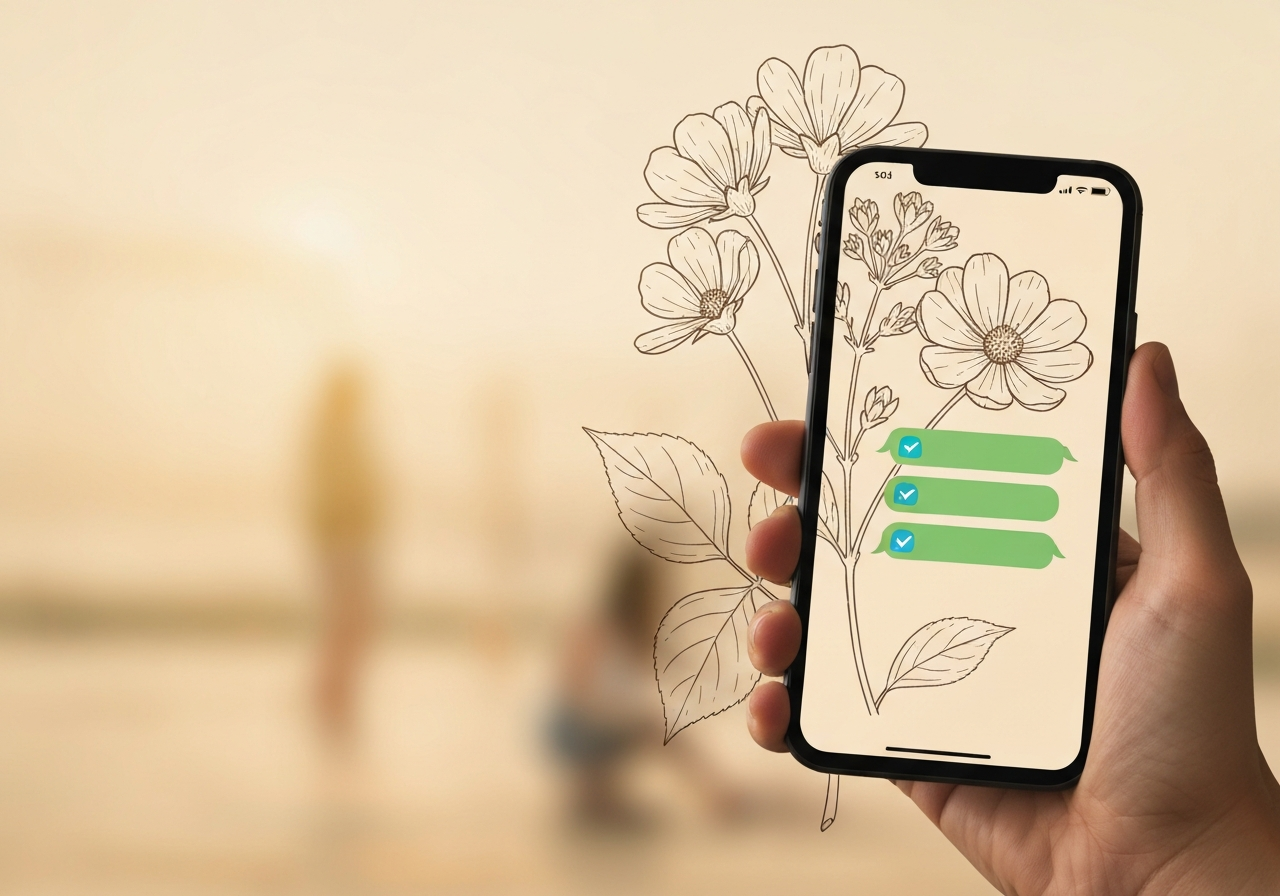
Two blue ticks on a phone screen. That is all it took for the Bombay High Court to rule that a man in Maharashtra had been validly served with a legal notice — even though the notice arrived through a messaging app, not a registered envelope.
The defaulter had argued he hadn't been properly served. The trial court agreed. SBI Cards appealed. The High Court looked at the two blue ticks and said: he read it. That is enough.
When the blue tick became the only evidence that mattered
The case is SBI Cards and Payment Services Pvt Ltd v. Robit Jadhav. A routine debt recovery matter. SBI Cards had sent a notice to a defaulter — a person who had failed to repay a debt — through WhatsApp. The message was delivered. The blue tick appeared. The defaulter had opened it.
But the defaulter told the court that sending a legal notice through a messaging app wasn't recognised by law. He said he hadn't been validly served — meaning he hadn't received the notice in a way that the law accepts as official.
The trial court agreed. It said WhatsApp service wasn't enough. SBI Cards then appealed to the Bombay High Court.
What the court saw in that single blue tick
The Bombay High Court disagreed. It looked at the facts closely. The defaulter had not only received the WhatsApp message — he had opened it. The blue tick was proof of that.
The court observed that the appearance of a blue tick is "testimony that the respondent had received the notice." Under the specific, extreme facts of this case, the court ruled that sending notice or intimation through WhatsApp constituted valid service. The defaulter couldn't claim ignorance. He had read the message. The blue tick told the court everything it needed to know.
But the court said: don't try this at home
Here is the catch — and it is a big one. The Bombay High Court added a critical word of caution. It stressed that this approach was taken only in the extreme facts of this case. The court said that such a mode of service "cannot be taken resort to ordinarily since that mode of service is not recognised by law."
In plain English: WhatsApp is not a recognised method of serving legal notice under Indian law. The court made an exception here because the facts were so clear — the defaulter had opened the message, and the blue tick proved it. But for most cases, you cannot simply WhatsApp someone a legal notice and expect it to hold up in court.
THE PLAY: If you must use WhatsApp to serve notice, document everything — screenshot the delivery, the blue tick, and any reply. But don't rely on it. Use it only as backup evidence, not as your primary method of service.
The questions the court left unanswered
What if the defaulter had read receipts turned off? What if the message was delivered but never opened — just the single grey tick? What if the defaulter claimed someone else opened the message on his phone?
The court didn't address these scenarios. It didn't need to. On the facts before it, the blue tick was conclusive. But for every other case, the old rules still apply: legal notice must be served through methods recognised by law — registered post, courier, or personal delivery.
WhatsApp remains a convenience, not a substitute.
Two blue ticks. One judgment. A very narrow door left open. For how long, no one knows.