Mother changed son's surname after remarriage. Grandparents objected. Court said:
A widow remarried and gave her child her new husband's surname. The Supreme Court ruled she had every right to do so—even without the grandparents' consent.
Held.
Mother decides.
Surname belongs.
A widow remarried and gave her child her new husband's surname. The Supreme Court ruled she had every right to do so—even without the grandparents' consent.
She lost her husband when her baby was 2 months old. She remarried, gave the child her new husband's surname. The grandparents sued. The Supreme Court said:
The mother had buried her first husband and married an Air Force officer. Her son from the first marriage was barely a toddler when she changed his surname to her new husband's family name. The paternal grandparents, who had lost their own son, saw this as an erasure. They went to court, asking to be appointed the child's guardians. But the question that reached the Supreme Court was far simpler, and far more fundamental: who gets to decide a child's name?
When the baby was two-and-a-half months old
The marriage in 2003 had been happy. The son was born in March 2006. Then the husband died—the infant was barely ten weeks old. The widow was alone with a newborn. The courtroom fell silent as the facts were read aloud; the file, thin and worn, seemed to carry the weight of a family's grief.
In 2007, she remarried. Her new husband was a Wing Commander in the Indian Air Force. They had another child. The family lived as one unit. The mother gave her firstborn her new husband's surname—Akella—instead of the deceased father's family name, Konda.
The paternal grandparents did not take this well. They filed a petition in the Guardian Court under Section 10 of the Guardians and Wards Act, 1890 (a provision that allows any person to apply for appointment as a child's guardian). They wanted to be appointed guardians of their grandson.
The trial court's compromise
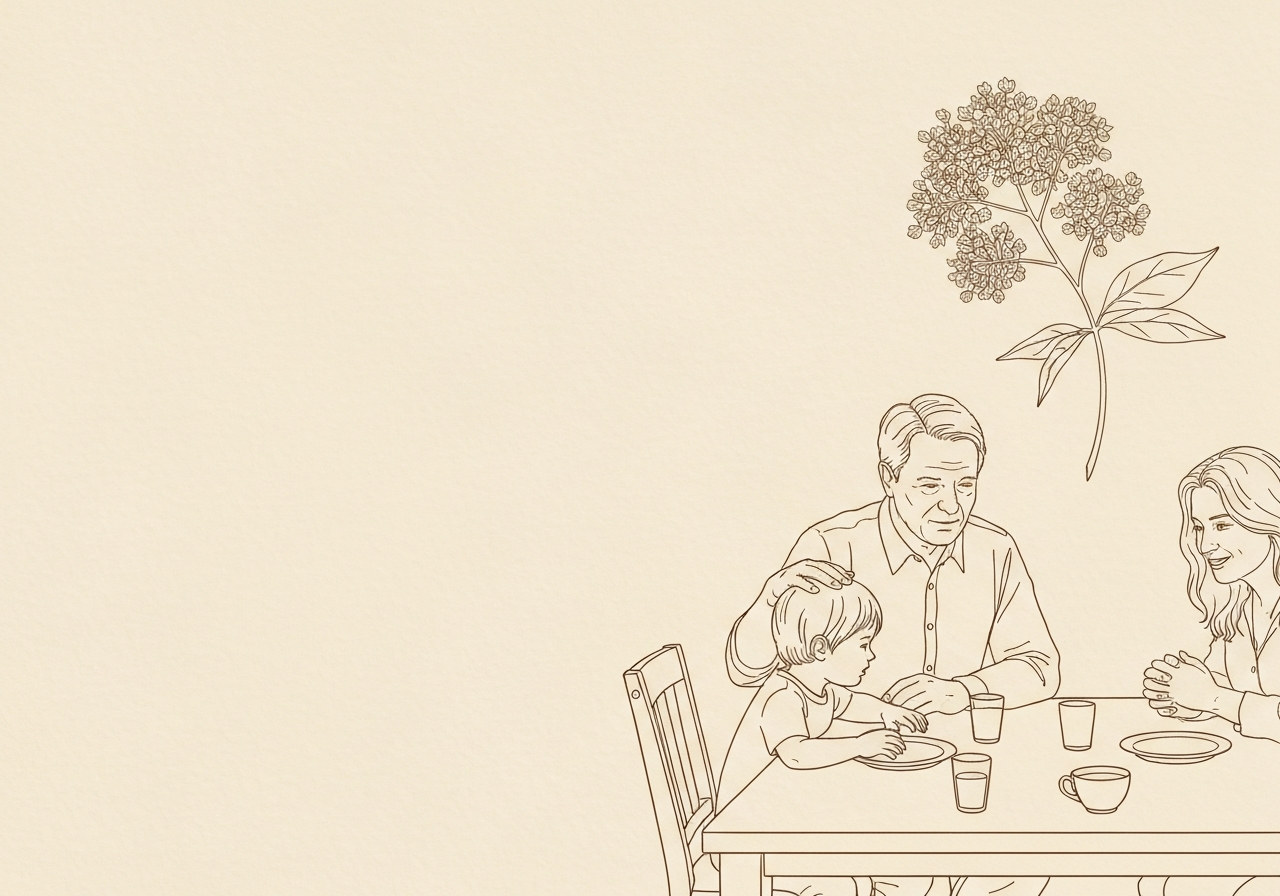
The Trial Court, on 20 September 2011, dismissed the grandparents' guardianship petition. It held that the mother was the natural guardian and that the grandparents had no right to take the child away from her. But the court granted the grandparents visitation rights—a middle ground that acknowledged their emotional stake without disturbing the mother's custody. The mother's hand rested on the child's head as the order was read; the grandparents sat in silence, their request denied but their access preserved.
Neither side was happy. The grandparents appealed to the High Court of Andhra Pradesh. The mother cross-appealed against the visitation order.
The High Court's surprise direction
On 24 January 2014, the High Court affirmed the mother's guardianship. Then it did something unexpected. On its own—without any party having asked for it—the High Court directed the mother to restore the child's original surname, Konda. Where official records permitted, she was to show the deceased father's name. Where that was not possible, she was to mention her new husband as 'step-father.'
The mother had never been asked to argue against this direction. The grandparents had never prayed for it in their petition. The High Court had simply decided, on its own motion (suo motu—acting without a request from either side), that the child's surname should reflect his biological father's lineage. The courtroom's air grew thick with tension; the adoption papers, crisp and new, suddenly felt heavier than they should.
The mother appealed to the Supreme Court.
The legal question: who is the natural guardian?
The case turned on a single provision: Section 6 of the Hindu Minority and Guardianship Act, 1956 (the law that defines who is the natural guardian of a Hindu minor child). Under this section, after the death of the father, the mother becomes the sole natural guardian. The Supreme Court had already settled this in the landmark case Githa Hariharan v. Reserve Bank of India (1999), which held that the mother is not subordinate to the father—she is an equal, and after his death, she is the only guardian.
The grandparents argued that changing the child's surname severed his connection with his biological father's family. They said it was against the child's welfare to erase his paternal identity. Their voices, low and trembling, echoed in the chamber; the mother sat still, her gaze fixed on the bench.
The mother argued that as the sole natural guardian, she had every right to decide the child's surname. She also pointed out that the grandparents had never asked for this relief in their petition—the High Court had granted it without any prayer or pleading on the issue.
The procedural journey in detail
The case had travelled through three courts before reaching the Supreme Court. At the first stage, the Guardian Court in Andhra Pradesh dismissed the grandparents' guardianship petition on 20 September 2011. That court found no ground to remove the mother as natural guardian, but it granted visitation rights—a careful compromise that gave the grandparents access without undermining the mother's custody.
The grandparents appealed. The mother cross-appealed against the visitation order. On 24 January 2014, the High Court of Andhra Pradesh heard both appeals. It affirmed the mother's guardianship—agreeing with the trial court that the mother was the sole natural guardian. But then, without any prayer from either side, it directed the mother to restore the child's original surname and, where records permitted, show the deceased father's name, or failing that, mention the new husband as 'step-father.' This direction became the central issue on appeal.
The mother then approached the Supreme Court, which registered the matter as Civil Appeal Nos. 6325-6326 of 2015. The case was heard by a bench of Justice Krishna Murari and Justice Dinesh Maheshwari, who delivered judgment on 28 July 2022.
The legal framework: more than just a name
The Supreme Court examined the case through multiple statutory lenses. The primary provision was Section 6 of the Hindu Minority and Guardianship Act, 1956, which designates the mother as the sole natural guardian after the father's death. The court also considered Section 9(3) of the Hindu Adoption and Maintenance Act, 1956 (the provision that allows a mother to give her child in adoption), and Section 12 of the same Act (which deals with the effects of adoption, including the child's rights in the adoptive family).
The court noted that the mother's right to decide the child's surname was not an isolated power. It flowed from her status as the sole natural guardian. If she could give the child in adoption to her second husband—a step that permanently severs all ties with the biological father's family—then surely she could take the lesser step of changing the child's surname. The adoption papers on the table, crisp and official, represented a power far greater than the name change the grandparents had challenged.
Why the Supreme Court struck down the surname direction
The Supreme Court allowed the mother's appeal in part. It set aside the High Court's directions on the surname.
The bench held that the mother, as the sole natural guardian, had the right to decide the child's surname. This included the right to give the child her new husband's surname upon remarriage. The court also noted that under Section 9(3) of the Hindu Adoption and Maintenance Act, 1956, the mother could even give the child in adoption to her second husband—a far more radical step than merely changing a surname.
But the court's reasoning went deeper than just the mother's rights. It also addressed a fundamental principle of civil procedure: a court cannot grant relief that no party has asked for. The Supreme Court stated that the mother, being the only natural guardian of the child after the death of the biological father, has the right to decide the surname of the child, including giving the child the surname of her second husband upon remarriage, and has the right to give the child in adoption to her second husband. This principle anchored the judgment, its words echoing through the courtroom as the grandparents sat in stunned silence.
The Supreme Court cited two precedents: Trojan & Co. v. Nagappa Chettiar (1953) and Bharat Amratlal Kothari v. Dosukhan Samadkhan Sindhi (2010). Both cases stand for the same rule: if a court grants a relief that was never pleaded, and the opposing party had no opportunity to resist it, that amounts to a miscarriage of justice.
Here, the grandparents had only asked to be appointed guardians. They had never asked for a direction to change the child's surname. The mother had never been put on notice that this issue would be decided. The High Court had, on its own, crossed a line.
The Supreme Court made it clear: courts may have the power to intervene in matters of a child's surname and guardianship, but only when a specific prayer is made, and only when the child's welfare is the primary consideration. Neither condition was met here. The grandparents' silence when the judgment was read was broken only by the rustle of papers; the mother's shoulders, tense for years, finally relaxed.
What this means for every remarried mother
The judgment is a quiet but firm affirmation of a widow's autonomy. After her husband's death, a mother is not a custodian of her deceased husband's surname—she is the sole decision-maker for her child. She can choose where the child lives, what school the child attends, and yes, what name the child carries.
The grandparents' emotional pain was real. But the law does not allow that pain to override the mother's legal rights, especially when the grandparents never even asked for the relief they eventually got from the High Court. The weight of the adoption papers, once a source of fear, now felt like a shield.
THE PLAY: If you are a remarried mother facing a guardianship petition from your deceased husband's family, you have the right to decide your child's surname—and no court can change it unless the other side specifically prays for that relief and proves it is in the child's best interest.
The Supreme Court ended where it began: with a mother who had every right to build a new life, and a child whose name was hers to give. The courtroom, now empty, held only the memory of a judgment that affirmed a mother's quiet power.