RTI documents can be used as secondary evidence: High Court
A court allowed certified copies obtained under the Right to Information Act as secondary evidence, rejecting the argument that they needed to be compared with originals.
65(f)
the key.
A court allowed certified copies obtained under the Right to Information Act as secondary evidence, rejecting the argument that they needed to be compared with originals.
He got a copy of a house map from the municipal office using RTI. The other side said: that's not real evidence.
The man had done what any citizen could — filed an application under the Right to Information Act and received certified copies of a house map and a building construction permission from the Nagar Nigam. His opponent said these papers were worthless. Nobody had compared them with the originals, he argued. The question was deceptively simple: could a document obtained through RTI be treated as secondary evidence in a civil trial? The answer would determine whether the case moved forward or collapsed on a technicality.
When the house map became the battlefield
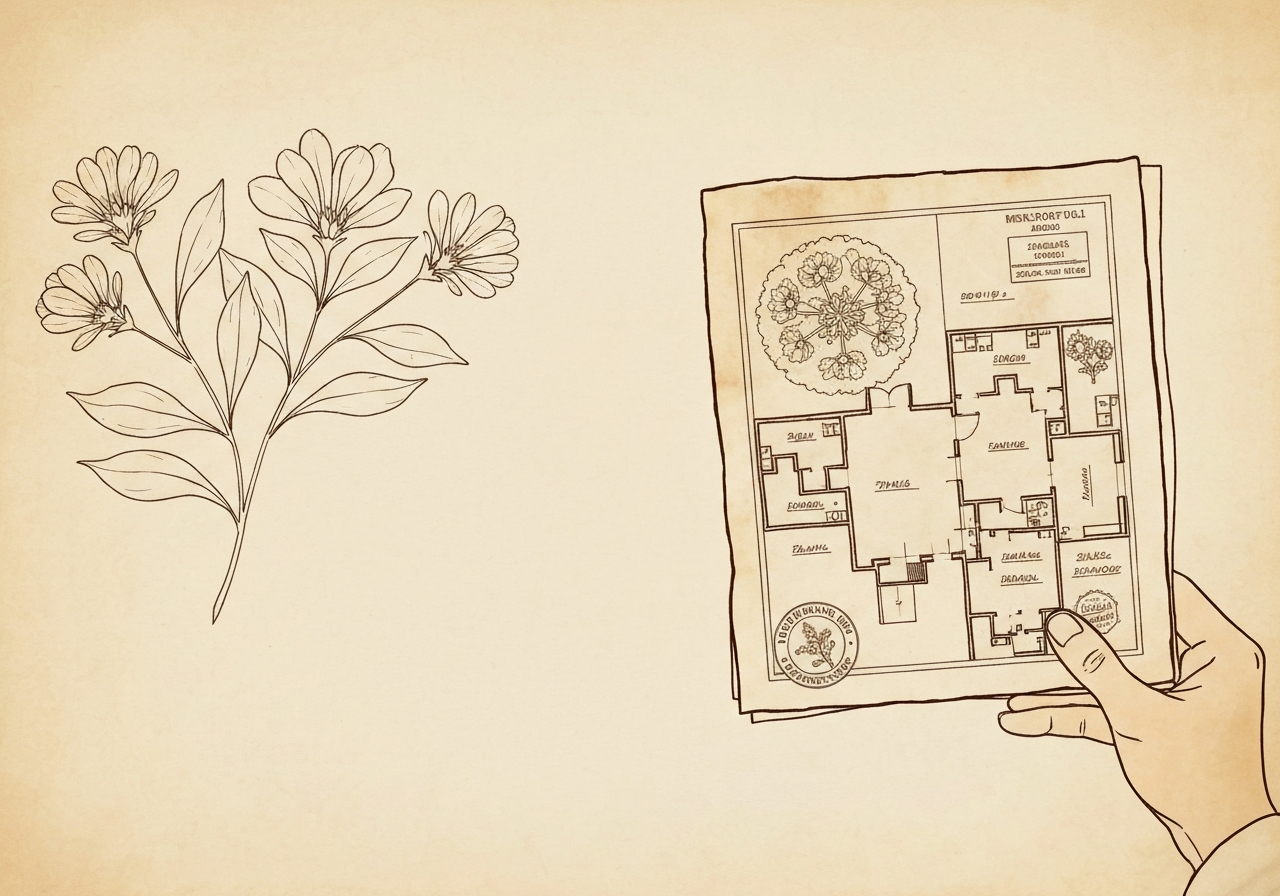
The dispute in Narayan Singh v. Kallaram @ Kalluram Kushwaha began like many property fights — over land, boundaries, and documents. Defendant No. 1 needed to prove something about a house. He went to the municipal office and asked for copies of the house map and the building construction permission under the RTI Act, 2005. The Nagar Nigam gave him certified copies. The map itself was a faded blueprint, its lines softened by years in a municipal file, the paper yellowed at the edges. The building permission was a typed form, stamped and initialled by a long-gone officer.
But when he tried to place these documents before the court, the other side objected. The Petitioner — Narayan Singh — argued these were not proper evidence. They were just photocopies from a government office. They had not been compared with the original documents sitting in some municipal file. Without that comparison, Narayan Singh said, these copies were worthless. The courtroom fell silent as the objection was raised; the only sound was the rustle of the thin, official paper as the judge picked up the file.
Defendant No. 1 — Kallaram @ Kalluram Kushwaha — then preferred an application before the Court under Section 65 of the Evidence Act (a provision that allows secondary evidence — copies or reproductions of original documents — to be admitted in certain situations). He argued that because the RTI Act itself gives citizens the right to obtain certified copies, those copies should be accepted as secondary evidence. The trial court agreed. Narayan Singh, unhappy with this, approached the High Court.
The line between originals and copies
The Evidence Act draws a sharp line. Primary evidence is the original document itself. Secondary evidence is copies, oral accounts, or other substitutes. Section 63 defines what counts as secondary evidence. Section 65 lists the situations where secondary evidence becomes admissible — when the original is lost, destroyed, or in the possession of someone who refuses to produce it.
Clause (f) of Section 65 was the one that mattered here. It says secondary evidence is admissible when the original is "a document of which a certified copy is permitted by this Act, or by any other law in force in India to be given in evidence." The key phrase: "by any other law in force in India."
The counsel representing Narayan Singh argued that documents obtained under the RTI Act did not fall within the ambit of Sections 63 and 65 of the Evidence Act. They submitted that the copies had not been compared with the original documents, thus failing to fulfill the requirement of Section 63. At best, they argued, these were "attested" or "true" copies — not truly "certified copies" as the law required. The judge listened, his finger tracing the text of Section 65(f) in the heavy law book before him. The silence in the room was thick, broken only by the turning of a page.
Why the RTI Act changed everything
The Court looked at the RTI Act, 2005. It examined the definition of "right to information" under that Act. The definition explicitly includes the right to obtain "certified copies of documents or records." Parliament had deliberately used the phrase "certified copies" in the RTI Act.
The Court's logic was straightforward. Section 65(f) of the Evidence Act permits secondary evidence when a certified copy is allowed by the Evidence Act itself or by any other law in force in India. The RTI Act is a law in force in India. The RTI Act allows citizens to obtain certified copies. Therefore, a certified copy obtained under the RTI Act falls squarely within Section 65(f). The judge read the clause aloud, his voice steady in the quiet courtroom, the words "by any other law in force in India" hanging in the air.
As for Narayan Singh’s argument about comparison with originals, the Court held that since the documents were covered under Section 65, "there was no need to compare the same with the originals." The definition of a certified copy — a copy signed or certified as a true copy by the officer entrusted with the original's custody — already ensures its reliability. The officer at the Nagar Nigam who issued the copy had certified it. The copy felt smooth and official, the stamp embossed into the paper. That was enough.
What this means for every RTI user
The High Court upheld the trial court's decision. It found no legal error in allowing the documents to be admitted as secondary evidence. The petition filed by Narayan Singh was dismissed as meritless.
THE PLAY: A certified copy obtained under the RTI Act is admissible as secondary evidence under Section 65(f) of the Evidence Act without needing to be compared with the original.
The house map stayed in evidence. The case moved forward.